Truck Rental Reimbursement and Downtime Coverage
What Happens After a Covered Accident?
When a covered accident takes a truck off the road, the repair bill is only part of the disruption. The business may still owe equipment payments, need a substitute vehicle and face missed work. Truck rental reimbursement and downtime coverage can be worth reviewing before an accident, especially when one truck produces most of the revenue.
These terms do not mean every interruption is insured. The triggering loss, vehicle eligibility, waiting period and payment limits come from the actual coverage selected. A broken engine, a covered collision and a shortage of replacement trucks can lead to different outcomes.
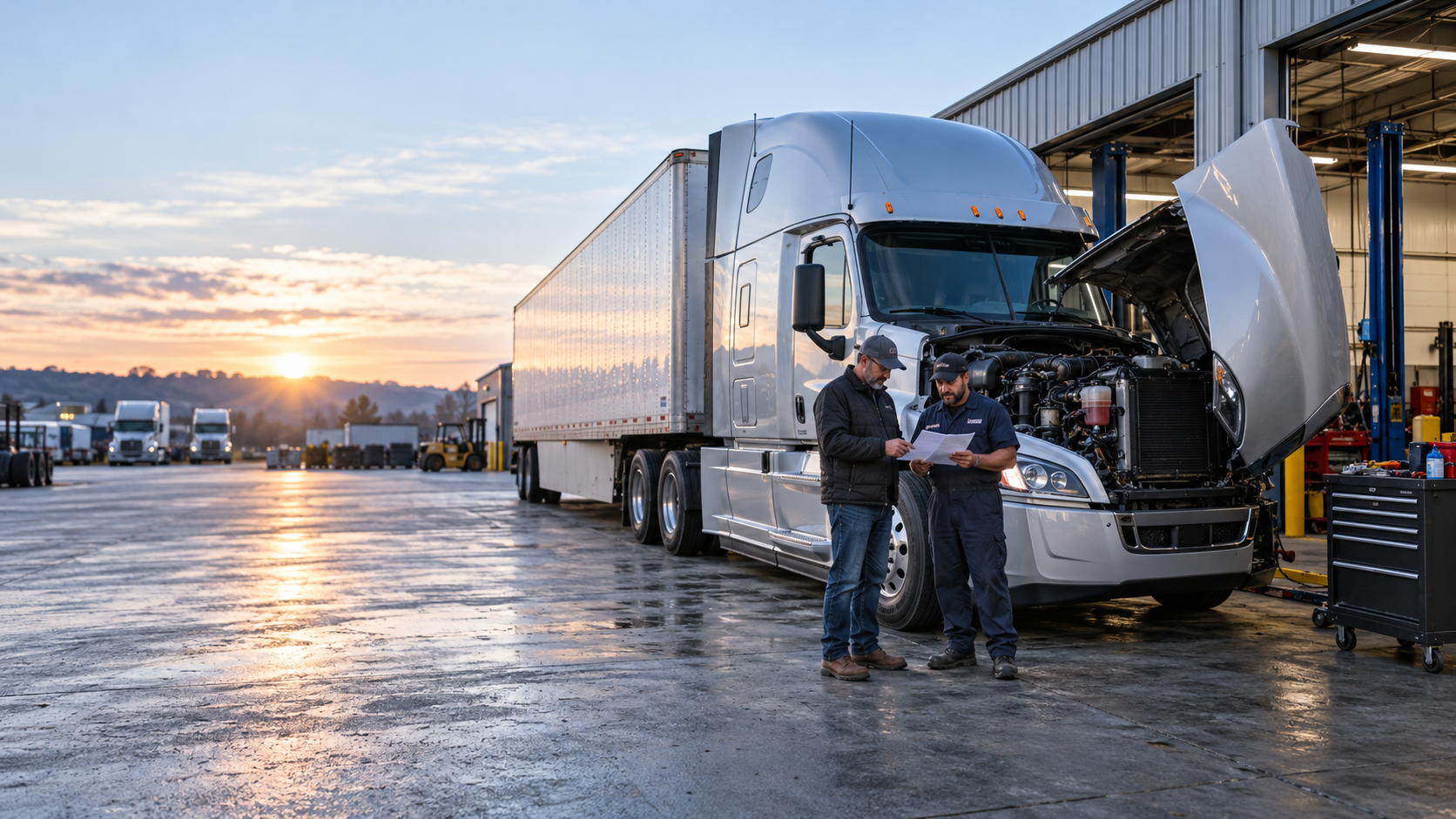
Separate repairs from interruption expenses
Physical damage coverage can address covered damage to insured equipment under its terms. Rental reimbursement or downtime protection may address certain costs while that equipment is unavailable. Buying physical damage does not automatically establish every interruption benefit.
Ask whether the offered option reimburses rental expenses, pays a stated daily benefit or uses another structure. A label such as downtime does not tell you whether lost revenue is measured or whether a fixed maximum applies.
Also ask which vehicle must be damaged and what makes it inoperable for purposes of the coverage. The policy may require a covered loss, not simply a decision to place the truck in the shop.
Identify the event that starts coverage
A collision, theft or other covered physical damage loss may be relevant, depending on the form. Routine maintenance, wear and mechanical breakdown should not be assumed to trigger the same benefit.
Describe the disruptions that concern you. A vehicle waiting for an engine repair presents a different question from a truck damaged in an insured accident. Ask the representative which, if any, available coverage addresses each scenario.
Do not assume another driver’s fault produces an immediate payment from that driver’s insurer. Liability investigations can take time, and your own optional protection has its own terms. Review the options before relying on a third party’s eventual response.
Compare daily and total limits
A daily limit caps the amount available for a covered day under the policy. A maximum duration or total benefit can also apply. Review both; a high daily amount may still end before a long repair is complete.
Use a hypothetical $200 daily limit to test the budget. If an eligible replacement costs $300 per day, the difference may remain with the business, subject to the coverage terms. Fuel, deposits and other rental charges may also need separate review.
Waiting periods affect the first days of interruption. Ask when benefits begin and whether the answer changes if a suitable replacement is available but you choose not to rent it. Do not apply one insurer’s waiting period to every product.
Check whether a usable replacement can be found
A substitute truck must fit the operation, not merely be available nearby. Equipment specifications, trailer compatibility, customer requirements and driver eligibility can all affect whether it is practical to use.
Ask whether the insurer provides assistance locating a replacement and what happens if none is available. Some arrangements address that situation specifically, but the benefit must be confirmed in the actual form.
Review insurance for the rental itself. Liability, physical damage to the rented vehicle and cargo are separate questions from reimbursement of the rental charge. A payment benefit does not automatically insure every exposure created by using the substitute.

Build a realistic downtime budget
List expenses that continue while the truck is unavailable: financing, payroll commitments, insurance and other fixed costs. Then consider revenue that may be delayed and extra costs needed to keep work moving.
Compare that exposure with available policy benefits and your reserve. Insurance may help with part of the interruption without replacing every dollar of profit. Avoid planning as though a daily limit guarantees the business will be made whole.
For fleets, identify whether another unit can absorb the work and what that substitution costs. A business with spare capacity may evaluate the option differently from an owner-operator without a backup truck.
Prepare the claim records
Keep repair estimates, shop communications, rental agreements and receipts. Record when the vehicle became unavailable and when it was ready for use. Follow the insurer’s instructions for authorizing and documenting eligible expenses.
Ask before incurring major charges that you expect the policy to reimburse. A rental chosen without checking eligibility or limits can create an avoidable difference. Keep the coverage contact separate from the rental company’s sales contact.
Repair delays should be communicated promptly. Parts availability, shop scheduling and additional damage can affect the timeline, but they do not automatically extend a policy maximum. Ask how the insurer handles the particular delay.
Review the option with RJS
Give RJS the equipment details, normal work and realistic replacement needs. Ask which rental or downtime options are available for the insurer and operation, and how they interact with physical damage and any roadside protection.
Review the coverage at renewal and after purchasing a different truck. Specialized equipment or a new customer contract can change the replacement problem. The useful benefit is one that fits the way the business would actually continue working after an accident.
The Answer
Q&A: Truck Rental Reimbursement and Downtime Coverage
Does downtime coverage pay whenever my truck is in the shop?
No. A covered trigger and other conditions usually apply. Maintenance or mechanical breakdown should not be assumed to qualify. Ask which events are covered under the actual option being offered.
Does rental reimbursement insure the rented truck?
Not by itself. Reimbursement of a charge and insurance for liability or damage involving the rental are different questions. Review the rental agreement and the applicable vehicle coverage before use.
Will it replace all of my lost revenue?
Do not assume so. A daily limit, waiting period and maximum benefit may apply. Some products use a fixed benefit rather than calculating the full business loss.
What if a suitable rental is unavailable?
Ask how the selected coverage handles that situation. An insurer may offer a specific downtime benefit or assistance, but terms vary. Do not assume every product responds in the same way.
What should I compare in a quote?
Review eligible vehicles, covered events, daily limit, waiting period, maximum duration, expense documentation and rental availability provisions. Compare those terms against the costs your business would actually face.
Get a free quote from RJS
Ask RJS to review your physical damage and available interruption options together. Bring the equipment details and replacement needs that would matter after a covered loss. Review your operation with RJS Truck Insurance and request a free quote at our truck insurance quote page. Coverage, eligibility and payment arrangements depend on the insurer, state and policy selected.
Get a Free, no-obligation quote today!
Fill out the form below to get the process started.